


In an increasingly fast-paced world, finding activities that promote calm and mental well-being is essential. Cross-stitch, beyond being a craft technique, has become a therapeutic tool backed by scientific studies. Discover how this practice can help you reduce stress and improve your quality of life.
🧠 Benefits of cross-stitch for mental health
1. Reducing stress and anxiety
Cross-stitch is an activity involving repetitive movements and a steady rhythm, which helps relax the nervous system. This rhythmic quality has been compared to meditation or mindfulness, as it promotes a state of focused attention and reduces rumination.
According to a study published in the American Journal of Public Health (Stuckey & Nobel, 2010), engaging in creative activities, such as textile crafts, can reduce anxiety levels and lower cortisol, the stress hormone.
Why does it work?
- Repetition calms the nervous system: The simple act of inserting the needle, counting the stitches, and following a pattern creates a sequence that the brain interprets as safe and predictable.
- Staying present: Focusing on your project keeps your mind from wandering to intrusive thoughts or stressful situations.
2. Improved mood
Embroidery not only relaxes you, it also lifts your spirits. Various studies have shown that engaging in creative activities can increase the production of dopamine, known as the "motivation molecule." This substance is closely linked to feelings of reward and pleasure.
In the book Your Brain on Art (2023), neuroscientists Susan Magsamen and Ivy Ross explain how art and crafts stimulate the brain's pleasure centers, generating positive emotions similar to those experienced when listening to music or laughing.
Key benefits:
- A sense of accomplishment: Every completed stitch achieves a small goal, and finishing a project boosts self-esteem.
- Keeps boredom at bay: Time spent embroidering becomes a time for personal growth, creating a positive narrative.
3. Encouraging mindfulness
Cross-stitch requires intense attention to the here and now. This sustained concentration blocks mental distractions, reduces repetitive negative thoughts, and helps calm the limbic system (which processes emotions).
A study in the British Journal of Occupational Therapy (Riley et al., 2013) concluded that 81% of people who did needlework such as cross-stitch felt more relaxed and focused afterward.
What makes it a mindfulness practice:
- Visual and tactile focus: The visual pattern is complemented by the physical act of stitching.
- No multitasking: Cross-stitch encourages single-tasking, counteracting digital chaos.
Haven't got your project ready yet? Check out our cross-stitch kits.
4. Cognitive stimulation
Although relaxing, cross-stitch also challenges the mind. Following instructions, counting stitches, identifying colors, and managing threads activate multiple brain regions related to working memory, visuospatial coordination, and sequential logic.
A study in the Journal of Neuropsychiatry and Clinical Neurosciences (Noice & Noice, 2009) suggests that structured artistic activities improve cognitive reserve in older adults, which is key to preventing cognitive decline.
Which areas are activated?
- Short-term memory (to remember the pattern)
- Hand-eye coordination (to position the needle)
- Planning skills (to work section by section)
5. Improved self-esteem and confidence
Completing an embroidery project can be as rewarding as finishing a work of art. This sense of accomplishment releases feel-good neurotransmitters such as serotonin and oxytocin, improving self-perception and promoting emotional well-being.
According to psychologist Mihaly Csikszentmihalyi (who coined the concept of flow), activities such as embroidery immerse individuals in a state of total concentration that fosters self-fulfillment.
How cross-stitch builds your confidence:
- It's a visible skill: you can display or give away your work.
- It's tangible proof of patience and perseverance.
6. Promoting social interaction
Although it's an individual activity, cross-stitch is enjoyed in a community. Whether through Facebook groups, specialized forums, local clubs, or online workshops, this craft offers opportunities to share, learn, and connect with people who share the same passion.
The World Health Organization (WHO) highlights in its report "What is the evidence on the role of the arts in improving health and well-being?" (2019) that group arts activities strengthen social cohesion and reduce loneliness.
Benefits of stitching in a community:
- Collaborative learning and positive encouragement.
- A sense of belonging to a like-minded community.
- Sharing creative ideas and tips.
🧰 Recommended products to begin your therapeutic cross-stitch journey
To get the most out of the benefits of cross-stitch, it's important to have the right materials. Here are some products available in our online store:
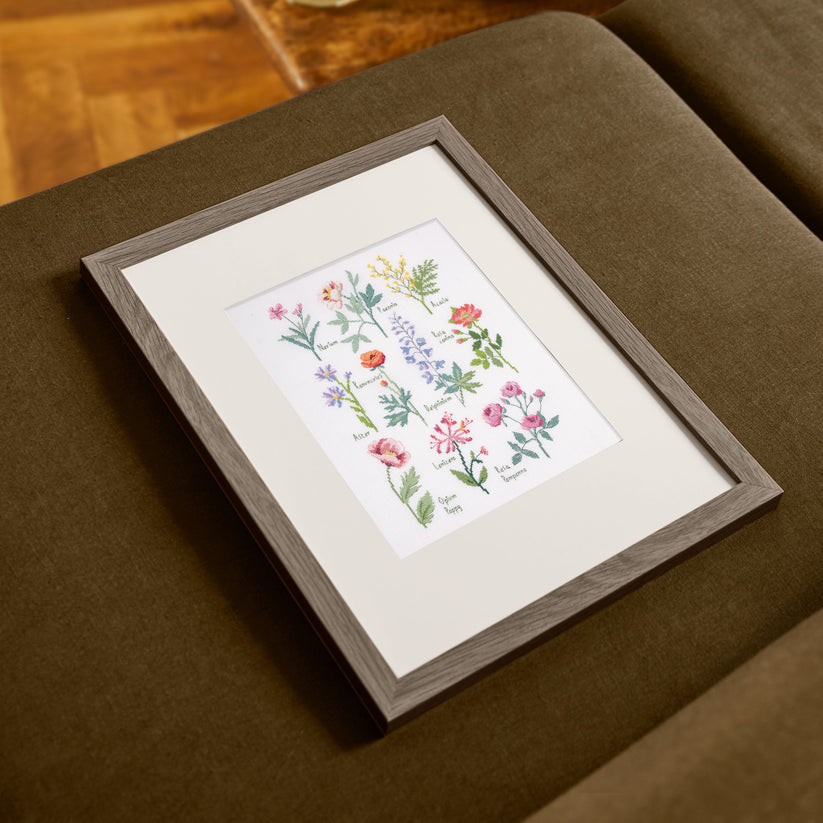
Complete cross-stitch kits: Include everything you need to get started, from threads to simple patterns.


🎨 Tips for incorporating cross-stitch into your daily routine
Not only is it possible to incorporate cross-stitch into your daily routine, it can also become one of the most rewarding and restorative parts of your day. Whether you have a packed schedule or are looking to establish a healthy new habit, these tips will help you make this craft part of your routine without making it feel like an added burden. And if you're just starting out, you can gradually explore the activity until it becomes part of your lifestyle.
1. Set a regular time, even if it's brief
One of the most common mistakes is thinking you need hours of free time to embroider. With just 15 or 20 minutes a day, you can make progress on your project, enjoy the mental benefits, and build consistency.
Practical tip:
Choose a time of day that's naturally yours, such as after lunch, before bed, or when you wake up, and make it your "embroidery time."
Haven't got your project ready yet? Check out our cross-stitch kits.
2. Pair embroidery with an enjoyable routine
Pairing cross-stitch with a positive moment creates emotional reinforcement. You could enjoy a hot drink, soft music, or even your favorite show in the background if the pattern is simple.
Examples of relaxing combinations:
- Stitch with a cup of tea while listening to a podcast.
- Put on instrumental music and embroider before bed.
- An afternoon of embroidery + rain + a blanket = pure self-care.
3. Keep your supplies handy and well organized
One invisible barrier to stitching more often is not having your supplies ready when the mood strikes. If you have to find your pattern, threads, or needle every time you sit down, you're likely to put it off.
Practical solution:
- Set up a small creative nook at home with everything you need.
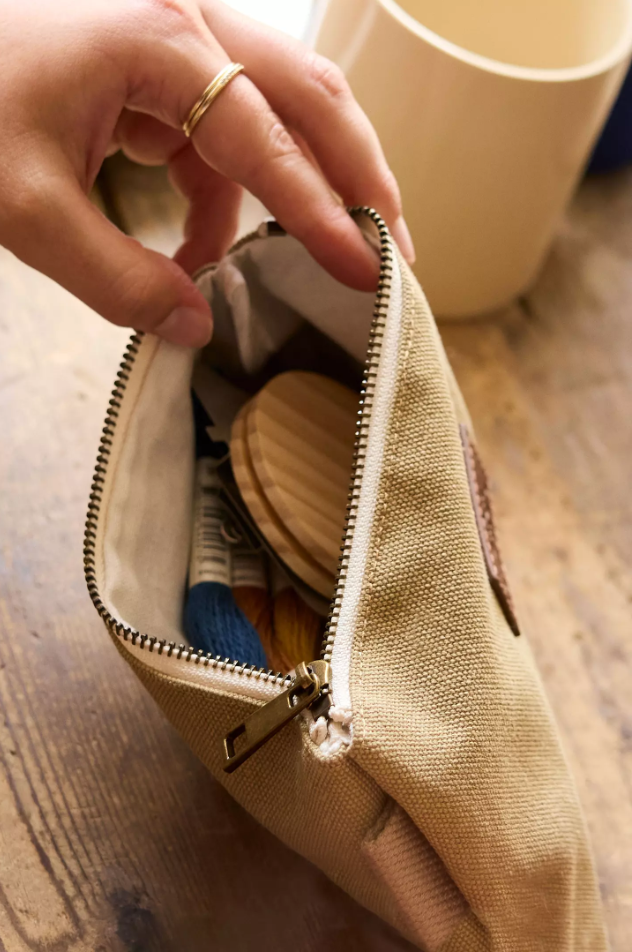
- Use an organizer box or embroidery case to keep your thread, fabric, needle, pattern, and scissors together.
Visit our embroidery accessories section to organize your space like a true embroiderer.
4. Break it down into small, achievable goals
Looking at a complete pattern can feel overwhelming, especially if it has lots of colors or details. A good way to stay motivated is to divide the project into sections (for example, into 10x10-stitch grids or by color).
Benefits:
- Reinforces a sense of progress.
- Prevents the initial overwhelm of seeing a "huge" project.
- Lets you stitch even when you have little time.
5. Make the most of screen-free downtime
Waiting at the doctor's office? On a long train ride? Have some free time while the kids play? Taking a portable project with you can turn passive downtime into productive and enjoyable moments.
Tips:
- Always keep a simple project in your purse or backpack.
- Choose projects with few colors that don't require much concentration for this purpose.
6. Stitch with others or in a group
If you find it hard to stay motivated, make it social! Whether in person or by video call, embroidering with others can turn it into a fun, consistent activity.
Options:
- Host an embroidery afternoon with friends or family.
- Join an online group or monthly challenge (such as #bordandocadaDía).
- Take part in forums and share your progress.
7. Track your progress and celebrate your achievements
Seeing how far you’ve come is a great motivator. You can keep a visual embroidery journal, post photos on social media, or even use creative tracking apps like Trello or Notion.
Benefits of this habit:
- Strengthens your personal commitment.
- Lets you see how much progress you make week by week.
- Can become a creative portfolio over time.
📌 Conclusion
Cross-stitch is not only a creative activity but also a powerful tool for improving your mental well-being. By incorporating this practice into your daily routine, you can experience reduced stress, an improved mood, and increased concentration. Explore our online store to find the perfect materials to accompany you on this therapeutic journey.